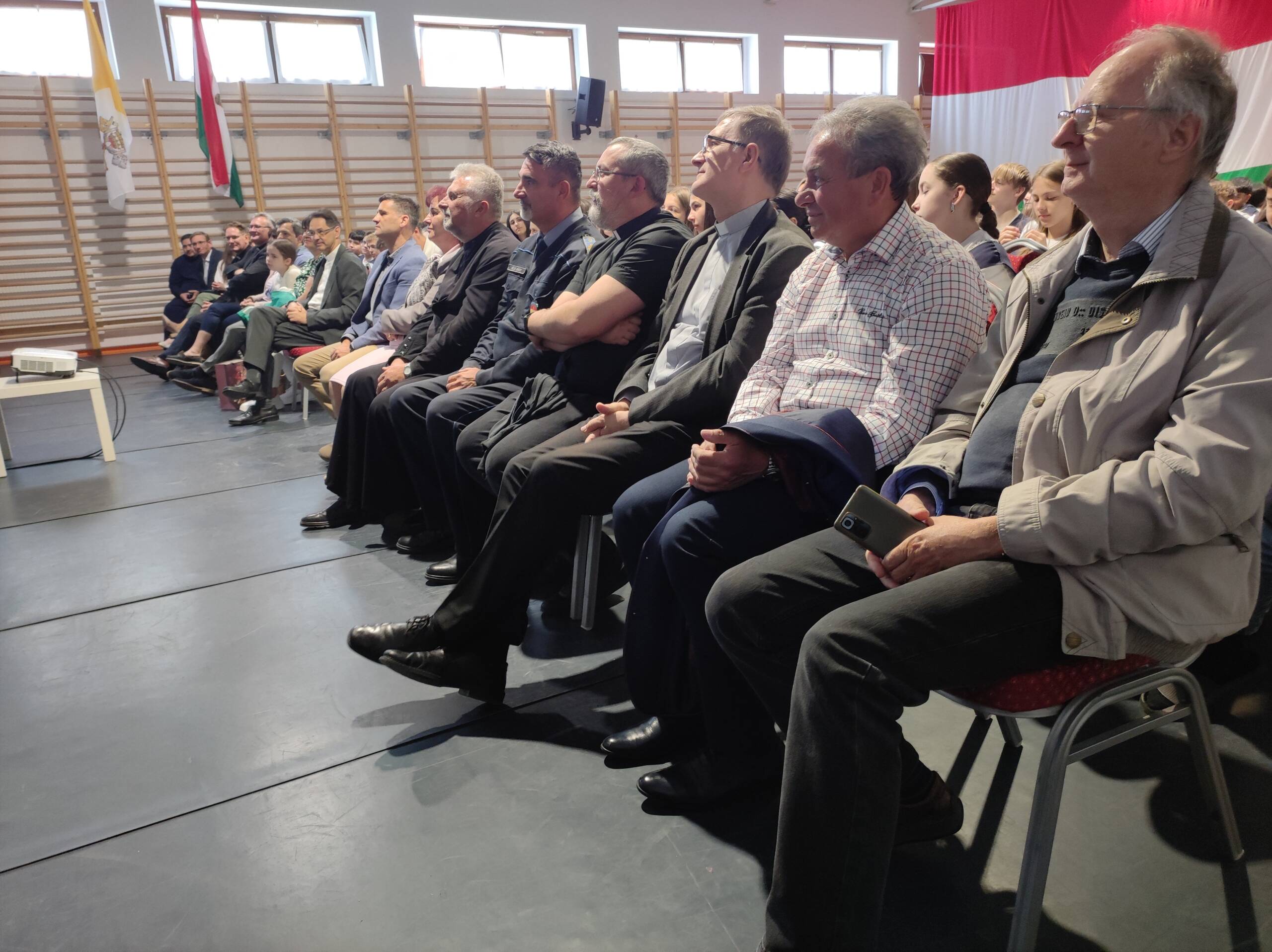
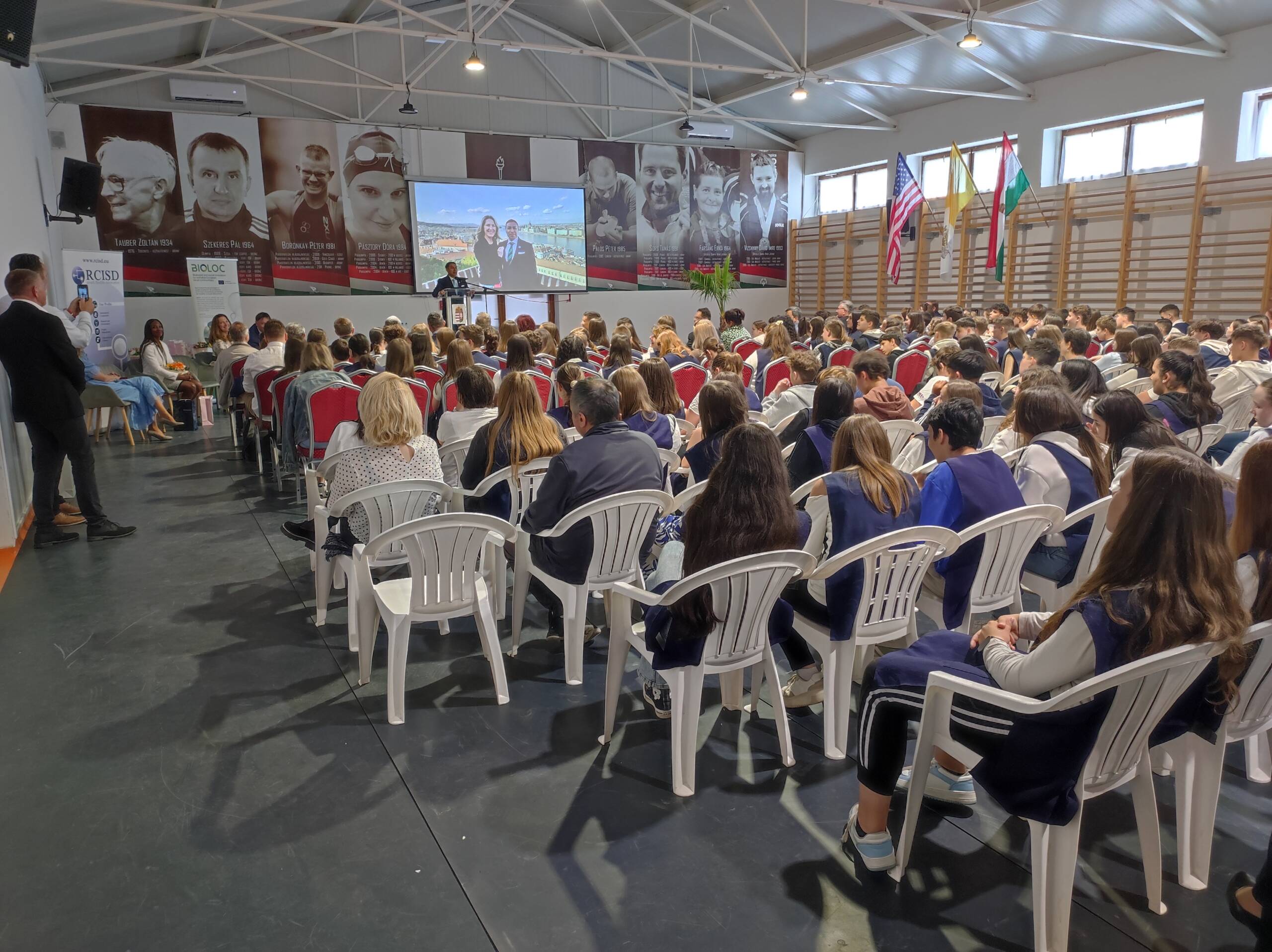
Edelény, Hungary | 27 May 2025 — The BIOLOC project took a significant step forward in fostering regional bioeconomic innovation by organizing a Quadruple Helix Workshop in the northern Hungarian town of Edelény. Held in tandem with the “GO GREEN – Green Transition Thematic Day” of the local St. Nicolas Greek Catholic School, the event provided a vibrant platform for multi-stakeholder dialogue on sustainability, renewable energy, and social challenges related to energy poverty.
The workshop brought together over 200 participants, including local government officials, entrepreneurs, civil society members, researchers, and educators, all united by a shared commitment to sustainable development. The event was further distinguished by the presence of a high-level delegation from the United States, led by Mr. Diego Morales, Secretary of State of Indiana. Mr. Morales delivered an inspiring keynote, emphasizing the importance of international collaboration in tackling global environmental and economic challenges.
Also joining the delegation were Ms. Sidonia Nicolae, Honorary Consul of Hungary in Indiana, and Ms. Aurelia Skipwith Giacometto, Secretary of the Louisiana Department of Environmental Quality, both of whom shared insights from the U.S. perspective on sustainable governance and environmental policy.
The Hungarian BIOLOC team was supported in the organization of this event by Mr. Béla Kocsy, Agricultural Attaché at the Ministry of Foreign Affairs and Trade in New York, whose efforts were essential in facilitating the international exchange.
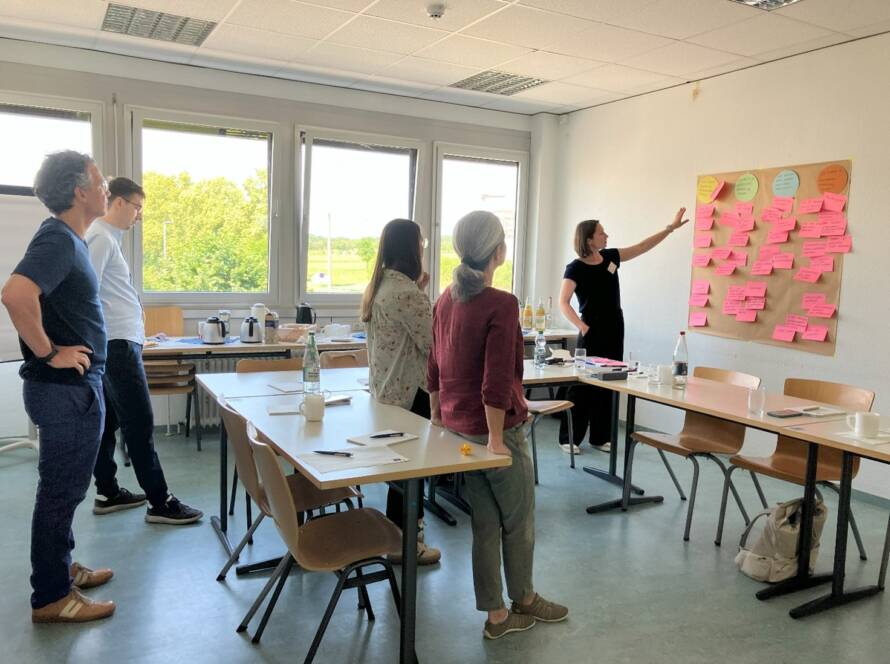
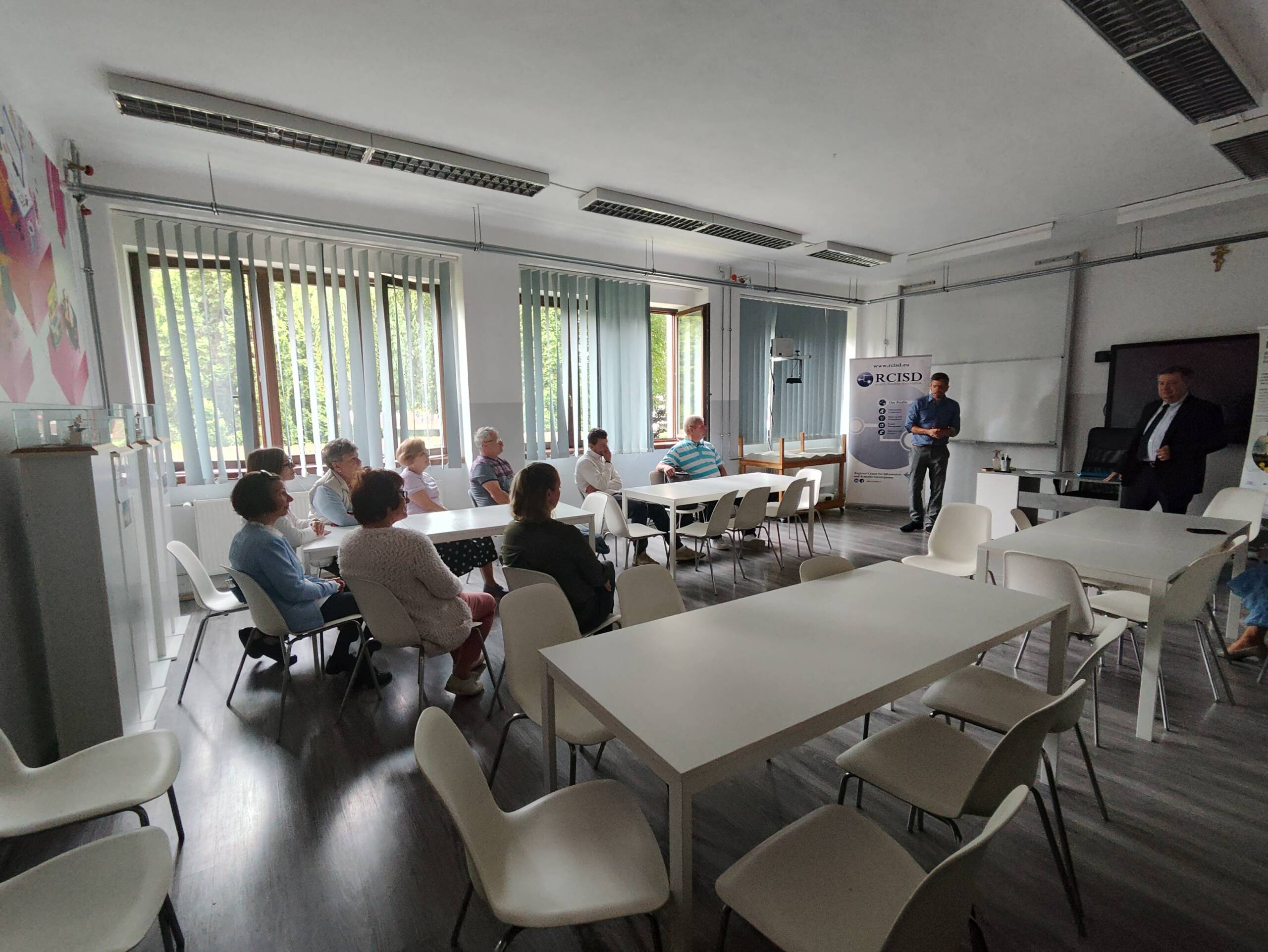
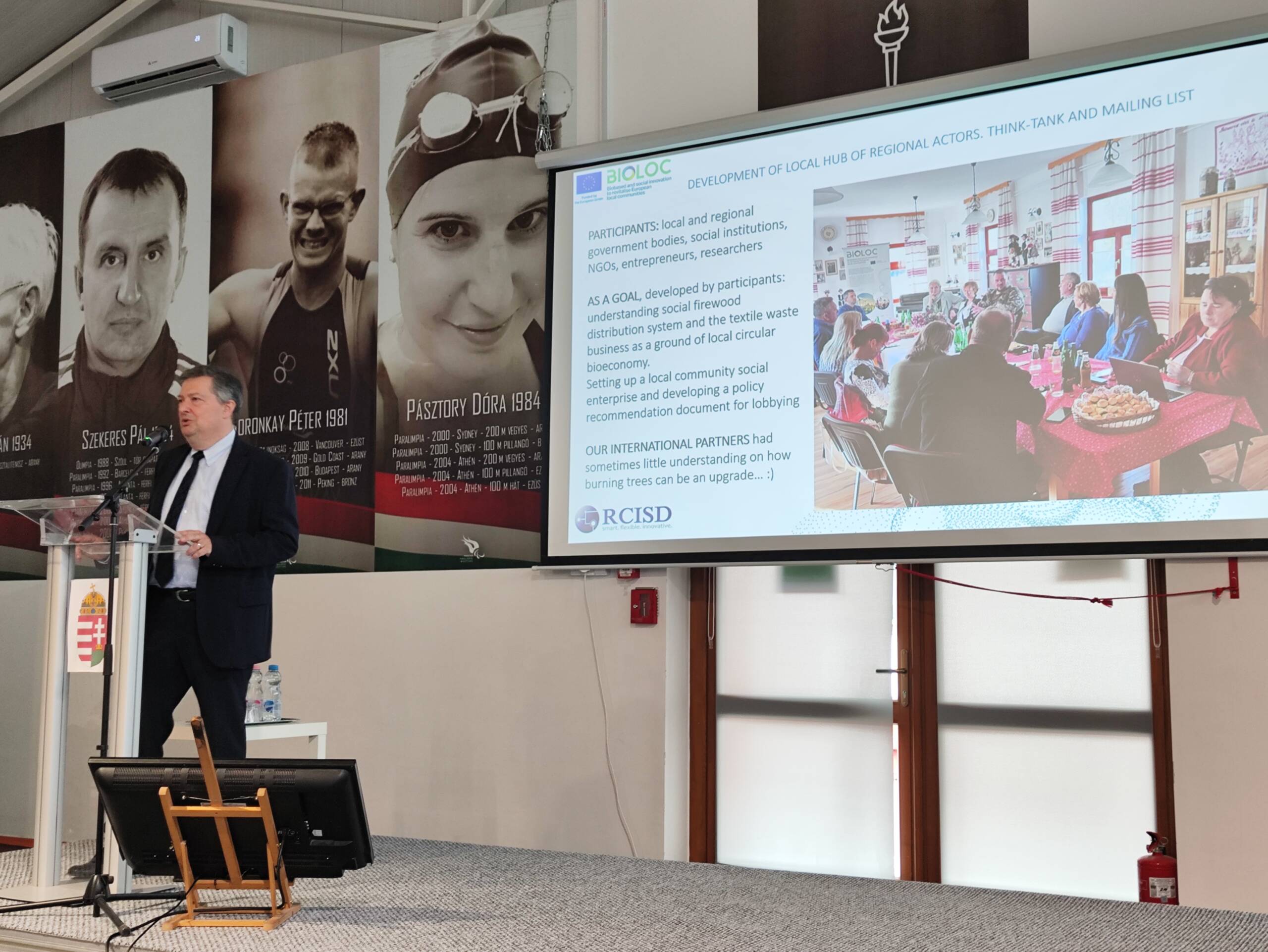
A key highlight of the workshop was the presentation by Dr. Béla Kardon, Chief Scientific Officer at RCISD, who outlined the objectives and results of the BIOLOC project, with particular focus on activities within the Hungarian HUB. His presentation was followed by an interactive Quadruple Helix session—a format that brings together actors from public authorities, academia, business, and civil society—to discuss renewable energy solutions and the socio-economic issue of energy poverty in the region.
The discussions revealed a powerful insight: financial constraints are not the only factors driving local decisions about energy use. Participants shared real-world experiences highlighting that environmental awareness is alive and growing in rural communities. Many residents are not content with solutions that are merely affordable—they also seek sustainable alternatives, even within limited financial means. As one participant noted: “We may have cheap central heating, but it bothers us that we are heating the street.”
These local voices emphasized the importance of inclusive and community-based approaches to sustainability. The BIOLOC project’s commitment to the Quadruple Helix model ensures that citizens are not only beneficiaries but active contributors to the green transition.
This workshop in Edelény stands as a testament to the value of regional dialogue, international cooperation, and grassroots innovation in shaping a sustainable bioeconomy. It reaffirms BIOLOC’s mission: to connect and empower regional actors in building a greener, fairer future.